Oklahoma Concealed Carry Guide: Understanding Concealed Carry in Oklahoma County

Navigating the laws and regulations surrounding concealed carry in Oklahoma County requires a clear understanding of the legal framework, practical considerations, and safety responsibilities. This guide provides you with precise, actionable information to help you carry responsibly and confidently. Whether you are new to concealed carry or seeking to refine your knowledge, this comprehensive overview will equip you with the essential facts and best practices.
Oklahoma Concealed Carry Guide: Legal Framework and Requirements
Oklahoma has established specific laws governing concealed carry permits, designed to balance individual rights with public safety. To legally carry a concealed firearm in Oklahoma County, you must meet certain eligibility criteria and follow the application process carefully.
Eligibility: You must be at least 21 years old, a resident of Oklahoma or a non-resident who meets specific criteria, and not prohibited from possessing a firearm under federal or state law.
Application Process: Submit an application to the Oklahoma State Bureau of Investigation (OSBI), including fingerprints, a passport-style photo, and a non-refundable fee (currently $96).
Training Requirements: Oklahoma does not mandate formal training for a concealed carry license, but completing a certified firearms safety course is strongly recommended to ensure responsible handling and awareness.
Permit Validity: The permit is valid for five years and must be renewed before expiration to maintain legal status.
Understanding these requirements is crucial to avoid legal complications and ensure your right to carry is protected.

Practical Considerations for Carrying Concealed in Oklahoma County
Carrying a concealed firearm involves more than just legal compliance. You must consider practical aspects that affect your safety and the safety of those around you.
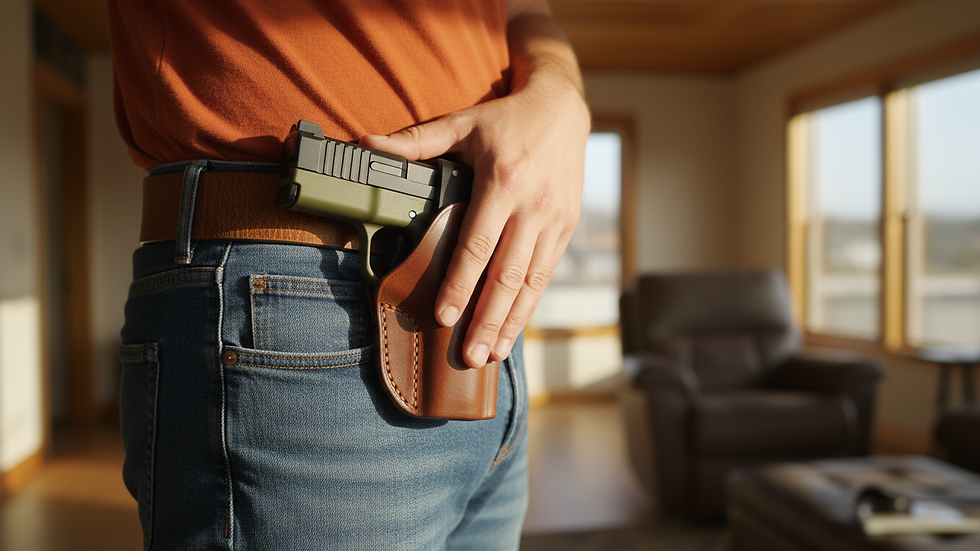
Choosing the Right Holster: Select a holster that securely holds your firearm, allows quick access, and covers the trigger guard completely. Comfort and concealment are equally important.
Clothing Choices: Wear clothing that effectively conceals your firearm without printing (visible outline). Layering and loose-fitting garments can help.
Situational Awareness: Always be aware of your surroundings and avoid situations where carrying a firearm could escalate conflict unnecessarily.
Storage and Transportation: When not carrying, store your firearm securely in a locked container or safe. During transportation, follow state laws regarding firearm placement in vehicles.
By addressing these practical elements, you enhance your ability to carry responsibly and reduce risks associated with concealed carry.
What Guns Can You Conceal Carry in Oklahoma?
Oklahoma law permits the concealed carry of handguns that meet specific criteria. Understanding which firearms are allowed helps you make informed decisions about your choice of weapon.
Handgun Types: Both revolvers and semi-automatic pistols are permitted for concealed carry.
Caliber Restrictions: There are no state-imposed caliber restrictions for concealed carry handguns.
Magazine Capacity: Oklahoma does not limit magazine capacity for concealed carry.
Prohibited Firearms: Certain firearms, such as fully automatic weapons and short-barreled rifles or shotguns, are not permitted for concealed carry.
Selecting a firearm that you can handle proficiently and safely is paramount. Regular practice and familiarity with your weapon improve your readiness and confidence.
Understanding Where You Can and Cannot Carry Concealed Firearms
Knowing the locations where concealed carry is permitted or prohibited is essential to avoid legal violations.
Permitted Locations: You may carry concealed in most public places, including streets, parks, and private businesses that do not prohibit firearms.
Prohibited Locations: Firearms are not allowed in certain areas, such as:
- Schools and school grounds
- Government buildings with posted restrictions
- Private property where the owner has posted no firearms allowed signs
- Bars and establishments primarily serving alcohol
Special Considerations: Some locations may require you to disclose your concealed carry permit to law enforcement upon request.
Always verify signage and local ordinances before carrying in unfamiliar locations. When in doubt, err on the side of caution and secure your firearm appropriately.
Training and Safety: Essential Steps for Responsible Concealed Carry
Proper training is the cornerstone of responsible concealed carry. It ensures you understand firearm operation, legal responsibilities, and conflict avoidance strategies.
Firearm Safety Courses: Enroll in certified courses that cover safe handling, storage, and use of firearms.
Self-Defense Training: Learn techniques that emphasize de-escalation and situational awareness to prevent confrontations.
Regular Practice: Maintain proficiency through regular range sessions focusing on accuracy, speed, and safe handling.
Legal Education: Stay informed about changes in state and local laws affecting concealed carry.
Investing in comprehensive training enhances your ability to protect yourself and others while minimizing risks.
Empowering Yourself with Knowledge and Preparedness
Carrying a concealed weapon is a serious responsibility that demands ongoing commitment to safety, legality, and ethical conduct. By understanding the legal framework, selecting appropriate equipment, respecting location restrictions, and pursuing continuous training, you position yourself as a responsible firearm owner.
For detailed information and resources on concealed weapons oklahoma county, consult official state websites and trusted training providers. Your dedication to knowledge and preparedness is the foundation of effective self-defense and personal safety.



Comments