Mastering Firearm Training Fundamentals: Firearm Training Insights
- Calvin Weeks

- Jul 7
- 4 min read
Mastering the fundamentals of firearm training is essential for anyone committed to responsible firearm ownership and personal safety. Whether you are seeking to improve your marksmanship, understand firearm safety, or explore non-lethal self-defense options, a solid foundation in training principles is indispensable. This article provides clear, actionable guidance to help you develop the skills and mindset necessary for effective firearm use and safety.
Understanding the Core Principles of Firearm Safety
Firearm safety is the cornerstone of all training. Without strict adherence to safety protocols, the risk of accidents increases dramatically. You must internalize the following fundamental rules:
Treat every firearm as if it is loaded. Never assume a weapon is unloaded. Always check and double-check.
Keep your finger off the trigger until ready to shoot. This prevents accidental discharges.
Never point the firearm at anything you do not intend to destroy. Always be aware of your muzzle direction.
Be sure of your target and what is beyond it. Bullets can travel through targets and cause unintended harm.
By consistently applying these rules, you create a safe environment for yourself and others. For example, when handling a firearm at home, always unload it before cleaning or storing it. This habit reduces the chance of accidental injury.
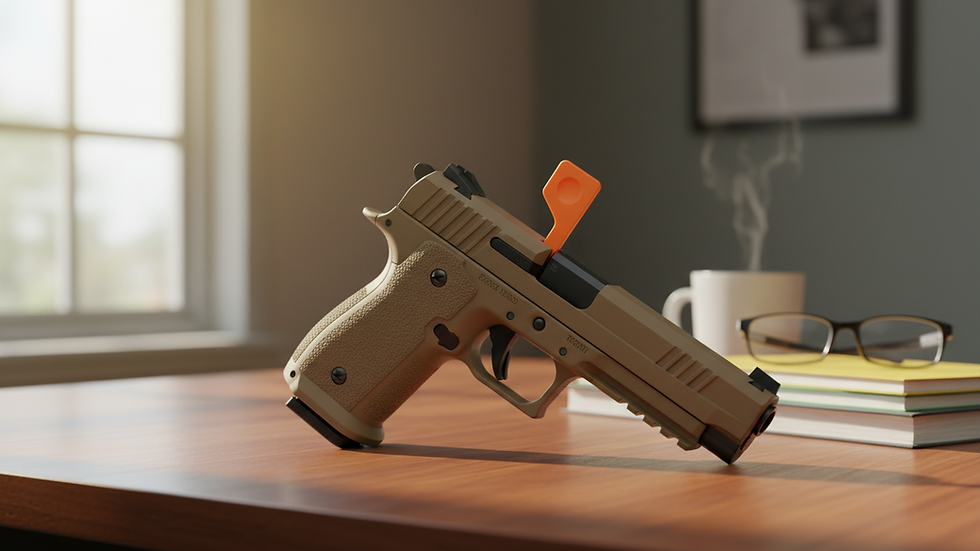
Firearm Training Insights: Developing Proficiency and Confidence
Building proficiency requires deliberate practice and structured training. Focus on these key areas:
Grip and stance: A proper grip and stable stance improve control and accuracy. Practice a firm, consistent grip and a balanced stance with feet shoulder-width apart.
Sight alignment and sight picture: Learn to align the front and rear sights correctly and maintain a clear sight picture on your target.
Trigger control: Smooth, controlled trigger pulls prevent jerking and maintain accuracy.
Breath control: Exhale slowly and pause your breath momentarily while squeezing the trigger to reduce movement.
Incorporate dry-fire practice into your routine. Dry firing allows you to rehearse trigger control and sight alignment without live ammunition, enhancing muscle memory safely and cost-effectively.
For example, dedicate 10 minutes daily to dry-fire exercises focusing on trigger squeeze and sight alignment. This consistent practice can significantly improve your shooting accuracy over time.
Selecting the Right Training Tools and Resources
Choosing appropriate training tools accelerates your learning curve. Consider the following:
Training firearms: Use inert training guns or replicas for safe handling drills.
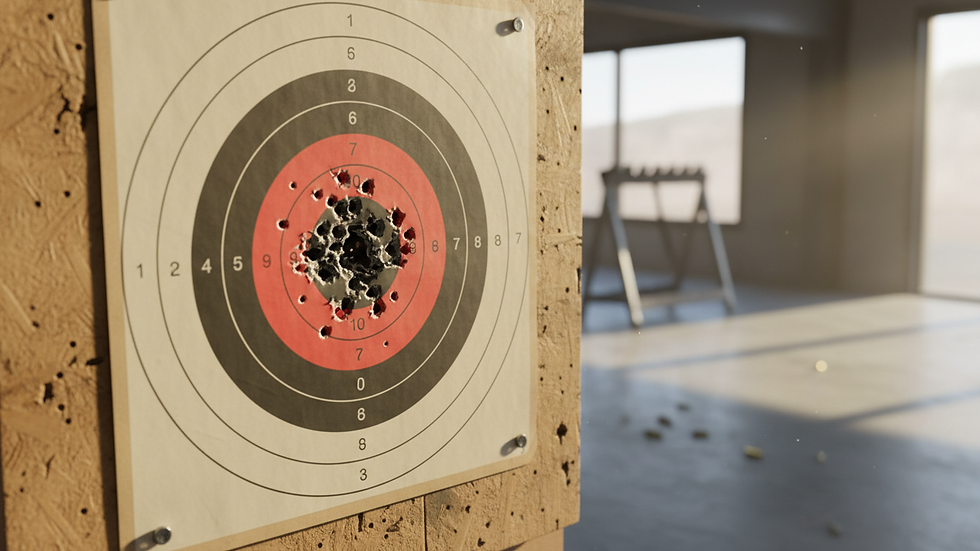
Targets: Employ a variety of targets, including paper bullseyes, silhouette targets, and reactive steel targets to simulate different scenarios.
Protective gear: Always wear eye and ear protection during live-fire exercises.
Instructional materials: Utilize reputable books, videos, and online courses to supplement hands-on training.
Engaging with a qualified instructor can provide personalized feedback and correct bad habits early. Group classes also offer the benefit of learning in a controlled environment with peers.
Integrating Non-Lethal Self-Defense Options
While mastering firearms is critical, understanding non-lethal alternatives enhances your overall self-defense strategy. Pepper spray and tasers offer effective means to incapacitate an aggressor without lethal force.
Pepper spray: Easy to carry and use, it causes temporary blindness and respiratory distress. Practice deploying it quickly and accurately.
Tasers: Deliver an electric shock that disrupts muscle control. Training is essential to understand range, deployment, and legal considerations.
Incorporate these tools into your training regimen to develop a comprehensive approach to personal safety. For instance, practice drawing and deploying pepper spray from a concealed holster to build speed and confidence.
Maintaining and Storing Firearms Responsibly
Proper maintenance and secure storage are vital to firearm longevity and safety. Follow these guidelines:
Regular cleaning: Clean your firearm after every use or at least once a month if unused. Use manufacturer-recommended solvents and lubricants.
Inspection: Check for wear, damage, or malfunction regularly.
Secure storage: Store firearms unloaded in a locked safe or cabinet. Use trigger locks or cable locks as additional safety measures.
Ammunition storage: Store ammunition separately from firearms in a cool, dry place.
By maintaining your firearms properly, you ensure reliable performance and reduce the risk of accidents. For example, a well-maintained firearm is less likely to jam or misfire during critical moments.
Enhancing Your Skills Through Scenario-Based Training
Scenario-based training prepares you for real-world situations by simulating stress and decision-making under pressure. This type of training includes:
Force-on-force drills: Use simulated ammunition or laser training systems to practice engagement tactics.
Movement and cover: Learn to move safely while maintaining target awareness and using cover effectively.
Decision-making: Train to assess threats quickly and choose appropriate responses, including de-escalation or use of force.
Incorporate scenario training into your routine to build confidence and readiness. For example, practice drawing your firearm from concealment while moving to cover to simulate a defensive encounter.
Continuing Education and Staying Informed
Firearm training is an ongoing process. Laws, technologies, and best practices evolve, requiring continuous learning. Stay informed by:
Attending refresher courses annually.
Subscribing to reputable firearm training blogs and publications.
Participating in local shooting clubs or training groups.
Keeping up with changes in firearm legislation and self-defense laws.
For those seeking comprehensive guidance, the firearm training blog offers valuable insights and updates to support your training journey.
Building a Responsible and Prepared Mindset
Ultimately, mastering firearm fundamentals is as much about mindset as it is about technique. Cultivate responsibility, patience, and respect for the power of firearms. Prioritize conflict avoidance and understand that the use of force is a last resort.
Developing this mindset involves:
Regular self-assessment of your skills and attitudes.
Commitment to ongoing education.
Respect for the safety and rights of others.
By integrating these principles, you become a more effective and conscientious firearm owner.
Mastering firearm training fundamentals requires dedication, discipline, and a commitment to safety. By focusing on core safety rules, developing technical skills, incorporating non-lethal options, and maintaining your equipment responsibly, you build a solid foundation for personal defense. Continuous education and a responsible mindset ensure that you remain prepared and confident in any situation.



Comments