Preparing to Carry a Concealed Weapon Safely and Responsibly
- Calvin Weeks

- May 11
- 4 min read
Carrying a concealed weapon is a serious responsibility. It requires more than just owning a firearm. You must prepare thoroughly to ensure your safety and the safety of those around you. This preparation involves understanding legal requirements, selecting the right equipment, and developing skills for safe handling and quick access.
Understanding Legal Requirements for Concealed Carry
Before you carry a concealed weapon, you must know the laws in your state and locality. Laws vary widely across the United States, and ignorance can lead to serious legal trouble.
Obtain a Concealed Carry Permit
Most states require a permit to carry a concealed weapon. The process usually involves background checks, fingerprinting, and sometimes a training course. Check your state’s official website for specific requirements.
Know Where You Can Carry
Certain places prohibit firearms even with a permit. These often include schools, government buildings, and private properties that post no-gun signs. Understanding these restrictions helps you avoid legal issues.
Understand Use of Force Laws
Learn when and how you can legally use your weapon in self-defense. These laws differ by state and can affect your decisions in critical moments.
Taking the time to research and comply with these laws is the first step in responsible concealed carry.
Choosing the Right Equipment for Concealed Carry
Selecting the right firearm and accessories is crucial. Your choice affects comfort, accessibility, and safety.
Firearm Selection
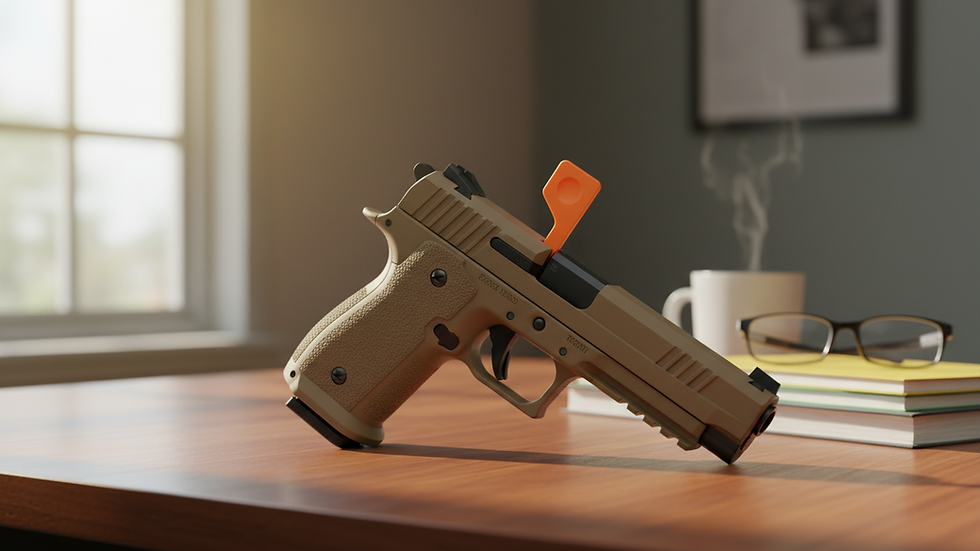
Choose a firearm that fits your hand well and that you can operate confidently. Many prefer compact or subcompact pistols for concealed carry due to their smaller size and lighter weight.
Holsters and Carry Systems
A good holster keeps your weapon secure and accessible. It should cover the trigger guard completely to prevent accidental discharge. Consider options like inside-the-waistband (IWB) holsters for better concealment.
Example Products to Consider
Two products that stand out for concealed carry preparation are the Alien Gear Cloak Tuck 3.5 IWB Holster and the CrossBreed SuperTuck Deluxe Holster.
The Alien Gear Cloak Tuck 3.5 offers adjustable retention and comfort with neoprene backing. It fits a wide range of pistols and allows for customizable cant and ride height. You can learn more about it here.
The CrossBreed SuperTuck Deluxe combines leather and Kydex for durability and comfort. It provides excellent concealment and secure retention. More details are available here.
Comparing these holsters, Alien Gear offers more adjustability, while CrossBreed is known for premium materials and craftsmanship. Your choice depends on your comfort preferences and firearm model.

Developing Skills for Safe Handling and Quick Access
Carrying a concealed weapon means you must be ready to use it safely and effectively if necessary. Training is essential.
Firearm Safety Training
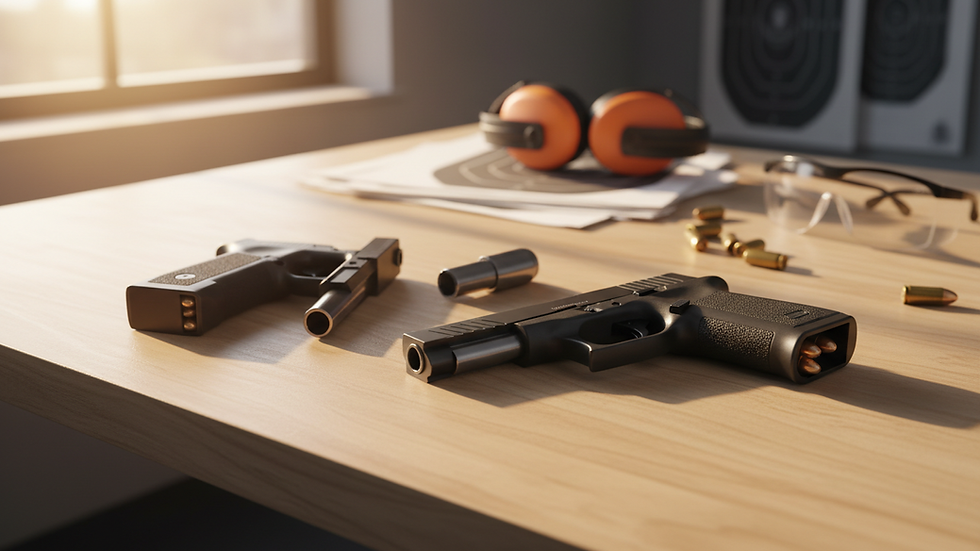
Enroll in a certified firearm safety course. These courses teach you how to handle, load, unload, and store your weapon safely. They also cover cleaning and maintenance.
Concealed Carry Training
Specialized training focuses on drawing your weapon quickly and safely from concealment. It also covers situational awareness and decision-making under stress.
Practice Regularly
Regular practice at a shooting range improves your accuracy and confidence. Practice drawing from your holster, aiming, and firing under timed conditions.
Mental Preparation
Carrying a concealed weapon requires mental readiness. You must stay calm and make quick decisions. Training scenarios and role-playing can help prepare you for real-life situations.
Storing and Maintaining Your Concealed Weapon
Proper storage and maintenance extend the life of your firearm and ensure it functions reliably.
Safe Storage at Home
Use a gun safe or lockbox to prevent unauthorized access, especially if you have children.
Regular Cleaning
Clean your firearm after every use or at least once a month if unused. This prevents malfunctions caused by dirt or corrosion.
Check Holster Condition
Inspect your holster regularly for wear and tear. Replace it if it no longer secures your weapon properly.

Preparing for Concealed Carry in Different Situations
Your approach to carrying a concealed weapon should adapt to different environments and activities.
At Work
Know your employer’s policies and local laws. Choose a carry method that is comfortable for long hours.
While Driving
Keep your weapon accessible but secure. Avoid leaving it in plain sight.
During Outdoor Activities
Consider weather conditions and physical activity. Use holsters designed for active movement.
In Public Places
Be discreet and avoid drawing attention. Practice situational awareness to identify potential threats early.
Teaching Gun Safety to Family Members
If you have children or others in your household, teaching gun safety is vital.
Educate About Firearms
Explain that guns are not toys and should only be handled by adults or with supervision.
Use Safety Devices
Employ trigger locks or safes to prevent accidental use.
Set Clear Rules
Establish rules about never touching firearms without permission.
Lead by Example
Always practice safe handling yourself to reinforce good habits.
Conclusion
Preparing to carry a concealed weapon involves legal knowledge, choosing the right equipment, developing skills, and maintaining your firearm. By investing time in these areas, you ensure responsible ownership and readiness. Remember, carrying a concealed weapon is about safety and protection, not just possession. Take the necessary steps to prepare thoroughly and carry with confidence.
For more information on holsters and concealed carry gear, consider exploring the Alien Gear Cloak Tuck 3.5 IWB Holster and the CrossBreed SuperTuck Deluxe Holster. These products can support your preparation with comfort and security.


Comments