Your Guide to Getting a Concealed Carry License Guide
- Calvin Weeks

- May 11
- 4 min read
Obtaining a concealed carry license is a significant responsibility that requires understanding legal requirements, safety protocols, and proper training. This guide provides a comprehensive overview of the steps necessary to acquire a concealed carry license, emphasizing practical advice and clear instructions. Whether you are new to firearms or seeking to enhance your knowledge, this guide will help you navigate the process with confidence and professionalism.
Understanding the Concealed Carry License Guide
A concealed carry license permits an individual to carry a firearm in a concealed manner in public spaces, subject to state and local laws. The purpose of this license is to ensure that only qualified and responsible individuals carry firearms for self-defense or lawful purposes. The process involves background checks, training, and adherence to specific legal standards.
Before applying, it is essential to familiarize yourself with the laws governing concealed carry in your state. Regulations vary widely, including eligibility criteria, application procedures, and restrictions on where firearms may be carried. For example, some states require applicants to demonstrate firearm proficiency, while others focus primarily on background checks.
Key Eligibility Requirements
Be at least 21 years old (varies by state)
Have no felony convictions or serious misdemeanors
Complete a certified firearms safety course
Pass a background check conducted by law enforcement
Provide proof of residency within the state
Meeting these requirements is the first step toward obtaining your concealed carry license.

Step-by-Step Process to Obtain a Concealed Carry License
The process to obtain a concealed carry license typically involves several well-defined steps. Following these steps carefully will help ensure a smooth application experience.
1. Research State-Specific Laws and Requirements
Each state has its own concealed carry laws. Begin by reviewing your state’s official government website or contacting local law enforcement agencies to understand the specific requirements. For example, if you reside in Oklahoma, you can find detailed information on how to get a concealed carry license in Oklahoma.
2. Complete a Firearms Safety and Training Course
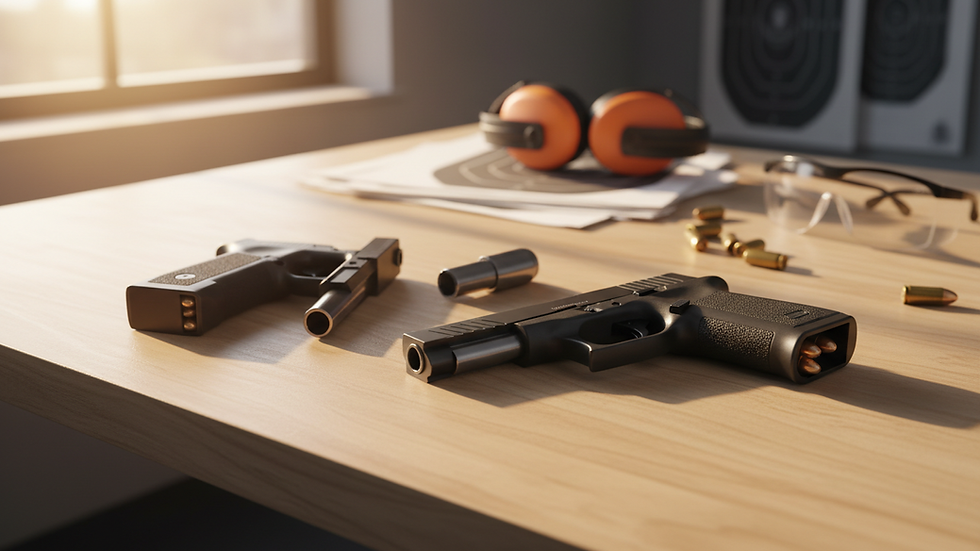
Most states require applicants to complete a certified firearms safety course. These courses cover:
Safe handling and storage of firearms
Legal responsibilities of carrying a concealed weapon
Conflict avoidance and de-escalation techniques
Marksmanship fundamentals
Training courses typically last between 4 to 8 hours and may include both classroom instruction and live-fire exercises. Upon completion, you will receive a certificate required for your application.
3. Prepare and Submit Your Application
Gather all necessary documents, including:
Completed application form
Proof of firearms training completion
Valid government-issued photo ID
Passport-style photographs (if required)
Application fee (varies by state, typically $50-$150)
Submit your application to the designated issuing authority, often the local sheriff’s office or state police department. Some states allow online submission, while others require in-person applications.
4. Undergo Background Checks and Fingerprinting
Applicants must pass a thorough background check to ensure they have no disqualifying criminal history or mental health issues. Fingerprinting is usually required to facilitate this process. Background checks can take from a few days to several weeks depending on the jurisdiction.
5. Receive Your Concealed Carry License
Once approved, you will receive your concealed carry license. It is important to review the license carefully for any restrictions or conditions. Keep the license with you whenever carrying a concealed firearm.

Practical Tips for Responsible Concealed Carry
Obtaining a license is only the beginning. Responsible firearm ownership requires ongoing commitment to safety and legal compliance.
Regular Training: Continue practicing marksmanship and safety skills. Many ranges offer refresher courses.
Stay Informed: Laws can change. Regularly review updates to concealed carry regulations in your state.
Secure Storage: When not carrying, store firearms securely to prevent unauthorized access.
Know Where You Can Carry: Some locations prohibit firearms even with a license, such as schools, government buildings, and private properties.
Practice Conflict Avoidance: Carrying a firearm is a serious responsibility. Prioritize de-escalation and avoid confrontations whenever possible.
Additional Considerations for Specific Groups
Certain groups may have unique concerns or requirements related to concealed carry.
Houses of Worship
Many places of worship seek to enhance safety for their members. If you are involved in security or leadership, consider:
Coordinating with local law enforcement for training and guidance
Establishing clear policies on firearms on premises
Encouraging members to pursue proper licensing and training
Parents and Educators
Teaching children about gun safety is critical. Responsible adults should:
Educate children on the dangers of firearms
Demonstrate safe handling and storage practices
Encourage respect for firearms and the law
Skill Improvement and Marksmanship
For those interested in improving their shooting skills:
Participate in competitive shooting events or clubs
Take advanced training courses focusing on accuracy and tactical skills
Practice regularly at certified shooting ranges
Final Steps to Maintain Your License and Safety
After obtaining your concealed carry license, maintaining it requires ongoing attention.
Renew Your License Promptly: Most licenses require renewal every 4 to 5 years. Mark your calendar to avoid lapses.
Report Changes: Notify authorities of any changes in address or legal status.
Carry Your License: Always carry your license when carrying a concealed firearm.
Stay Compliant: Follow all laws and regulations to avoid legal issues.
By adhering to these guidelines, you will uphold the highest standards of responsible firearm ownership and personal safety.
This guide aims to empower you with the knowledge and steps necessary to obtain and responsibly carry a concealed firearm. For detailed information specific to your state, including how to get a concealed carry license in Oklahoma, consult official resources and certified training providers. Responsible preparation and ongoing education are the cornerstones of safe and lawful concealed carry.

Comments